Connect and Enhance: The Art of Home Therapy

Updated: Apr 25
In a world where stress and anxiety seem to be constant companions, the idea of home therapy has gained significant traction. The concept revolves around creating a sanctuary within your home that promotes mental well-being and emotional healing. This blog post will explore the various aspects of home therapy, offering practical tips and insights to help you connect with yourself and enhance your living space for better mental health.
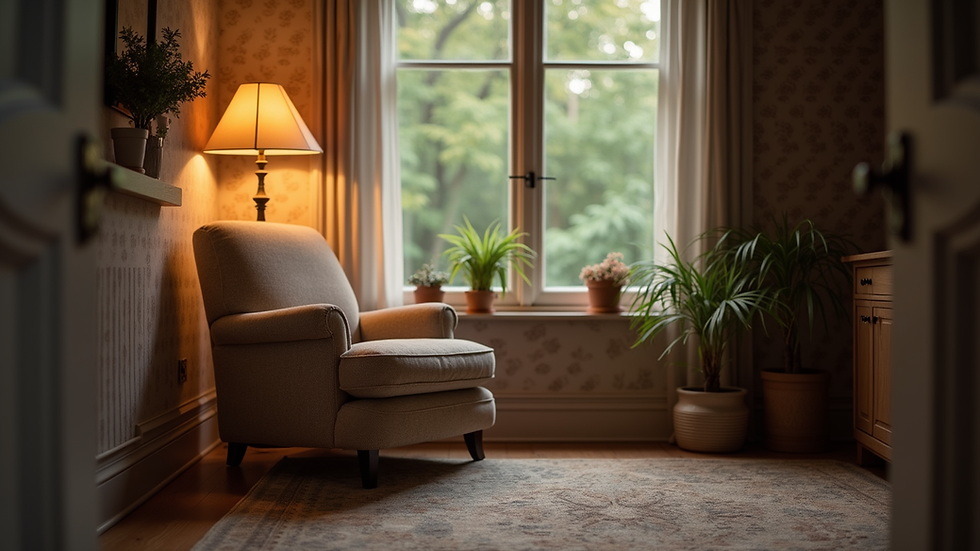
Understanding Home Therapy
Home therapy is not just about physical space; it’s about creating an environment that nurtures your mental health. It involves intentional practices that help you connect with your emotions, reduce stress, and foster a sense of peace. Here are some key components of home therapy:
Creating a Safe Space
Your home should feel like a refuge. To achieve this, consider the following:
Declutter: A tidy space can lead to a tidy mind. Remove items that no longer serve you.
Personal Touches: Incorporate items that bring you joy, such as photographs, art, or souvenirs from travels.
Comfort: Invest in comfortable furniture and soft textiles that invite relaxation.
Incorporating Nature
Nature has a profound impact on our mental well-being. Here’s how to bring the outdoors in:
Plants: Adding greenery can improve air quality and boost your mood. Consider low-maintenance plants like succulents or snake plants.
Natural Light: Maximize natural light by using sheer curtains or strategically placing mirrors to reflect light.
Outdoor Spaces: If possible, create an outdoor retreat with seating, plants, and calming elements like water features.
Mindfulness Practices at Home
Mindfulness is a powerful tool in home therapy. It encourages you to be present and aware of your thoughts and feelings. Here are some practices to incorporate:
Meditation and Breathing Exercises
Setting aside time for meditation can significantly enhance your mental clarity and emotional stability. Here’s how to get started:
Find a Quiet Spot: Choose a corner of your home that feels peaceful.
Set a Timer: Start with just five minutes and gradually increase the duration.
Focus on Your Breath: Pay attention to your breathing, inhaling deeply and exhaling slowly.
Journaling
Writing can be a therapeutic outlet. Here’s how to make journaling a part of your routine:
Daily Reflections: Spend a few minutes each day writing about your thoughts and feelings.
Gratitude Lists: List three things you are grateful for each day to shift your focus to the positive.
Creative Expression: Use your journal for sketches, poetry, or any form of creative writing that resonates with you.
Enhancing Your Environment
Your surroundings play a crucial role in your mental health. Here are some ways to enhance your home environment:
Color Psychology
Colors can influence your mood. Consider the following:
Calming Colors: Soft blues and greens can create a sense of tranquility.
Energizing Colors: Bright yellows and oranges can uplift your spirits.
Personal Preference: Ultimately, choose colors that resonate with you personally.
Aromatherapy
Scent can evoke powerful emotions. Here’s how to use aromatherapy at home:
Essential Oils: Use a diffuser with calming scents like lavender or eucalyptus.
Candles: Light scented candles during relaxation or meditation sessions.
Fresh Flowers: Keep fresh flowers in your home for their natural fragrance and beauty.
Building Connections
Home therapy is also about fostering connections with others. Here are some ways to strengthen your relationships:
Family Activities
Engaging in activities together can enhance family bonds. Consider:
Game Nights: Set aside one night a week for board games or card games.
Cooking Together: Prepare meals as a family, allowing everyone to contribute.
Outdoor Adventures: Plan hikes or picnics to enjoy nature together.
Virtual Connections
In today’s digital age, maintaining connections with friends and family is easier than ever. Here’s how to stay connected:
Video Calls: Schedule regular video chats to catch up with loved ones.
Online Games: Play multiplayer games online to have fun together, even from a distance.
Virtual Book Clubs: Start a book club with friends to discuss literature and share insights.
The Role of Routine
Establishing a routine can provide structure and stability in your life. Here are some tips to create a beneficial routine:
Morning Rituals
Start your day with intention. Consider incorporating:
Stretching or Yoga: Begin with gentle stretches to awaken your body.
Healthy Breakfast: Fuel your body with nutritious foods to kickstart your day.
Mindfulness Practices: Spend a few moments in meditation or journaling.
Evening Wind-Down
Create a calming evening routine to prepare for restful sleep:
Limit Screen Time: Turn off electronic devices at least an hour before bed.
Relaxing Activities: Engage in activities like reading or taking a warm bath.
Gratitude Reflection: Reflect on your day and note what you are thankful for.
Seeking Professional Support
While home therapy can be incredibly beneficial, there are times when professional support is necessary. Here’s how to know when to seek help:
Signs You May Need Support
Persistent Feelings of Sadness: If you feel down for an extended period, it may be time to talk to someone.
Difficulty Coping: If daily tasks feel overwhelming, consider reaching out for help.
Changes in Behavior: Noticeable shifts in your mood or behavior can indicate a need for professional guidance.
Finding the Right Professional
When seeking professional support, consider the following:
Research: Look for therapists or counselors who specialize in your area of concern.
Referrals: Ask friends or family for recommendations.
Consultation: Many professionals offer initial consultations to see if they are a good fit for you.
Conclusion
Home therapy is an art that involves creating a nurturing environment, practicing mindfulness, and fostering connections. By implementing these strategies, you can enhance your mental well-being and create a sanctuary that supports your emotional health. Remember, it’s about progress, not perfection. Start small, and gradually build a home that reflects your needs and desires. Take the first step today and transform your living space into a haven of peace and connection.
Comments