Elevate Living Spaces: Home Staging Tips and Tricks

Updated: Apr 25
Home staging is an essential step in the selling process that can significantly impact the sale price and time on the market. By presenting a home in its best light, sellers can attract potential buyers and create a lasting impression. In this blog post, we will explore effective home staging tips and tricks that can elevate your living spaces, making them more appealing and inviting.
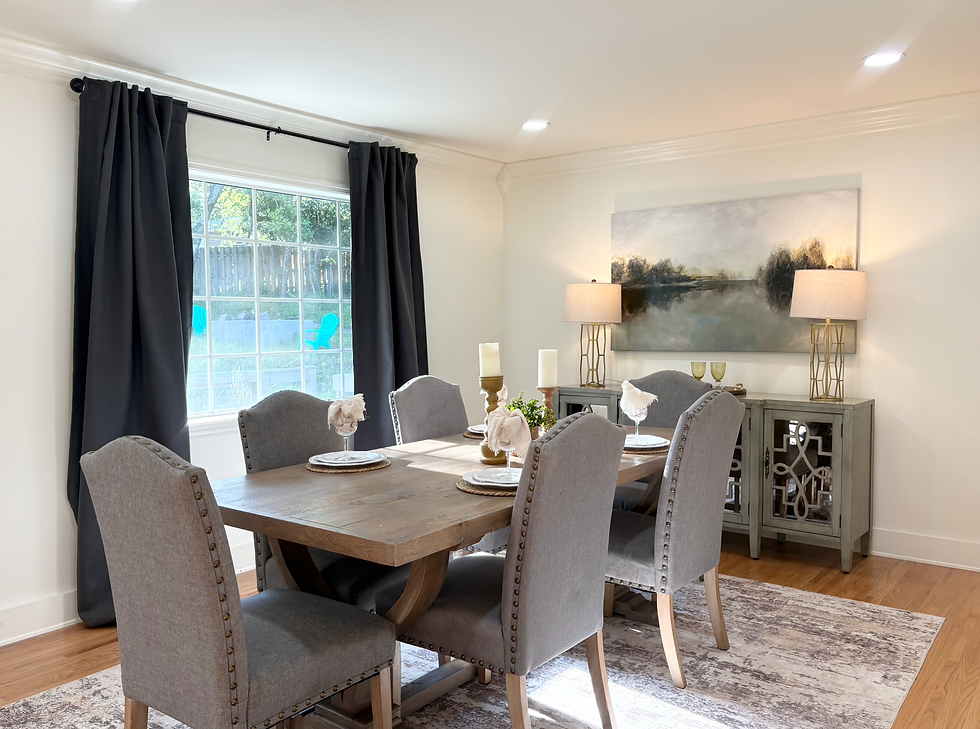
Understanding Home Staging
Home staging involves preparing a residence for sale in the real estate marketplace. The goal is to make the home appealing to the highest number of potential buyers, thereby selling the property more swiftly and for more money. This process can include rearranging furniture, decluttering, and even making minor repairs.
Why is Home Staging Important?
First Impressions Matter: Potential buyers often make snap judgments about a home within seconds of entering. A well-staged home can create a positive first impression.
Highlighting Space: Staging can help buyers visualize how they would use the space, making it easier for them to imagine living there.
Faster Sales: Homes that are staged tend to sell faster than those that are not. According to the National Association of Realtors, staged homes sell 73% faster than non-staged homes.
Declutter and Depersonalize
One of the first steps in home staging is to declutter and depersonalize your space. This means removing personal items, family photos, and excessive decorations.
Tips for Decluttering
Start Early: Begin the decluttering process well in advance of listing your home. This will give you ample time to sort through your belongings.
Use the Four-Box Method: Label four boxes as "Keep," "Donate," "Sell," and "Trash." This method helps streamline the decision-making process.
Focus on High-Traffic Areas: Concentrate on decluttering areas that buyers will see first, such as the living room, kitchen, and entryway.
Create a Welcoming Atmosphere
A welcoming atmosphere can make a significant difference in how potential buyers perceive your home. Here are some tips to create an inviting environment:
Use Neutral Colors
Neutral colors appeal to a broader audience. Consider repainting walls in soft shades of beige, gray, or white. This allows buyers to envision their own decor in the space.
Add Warmth with Textiles
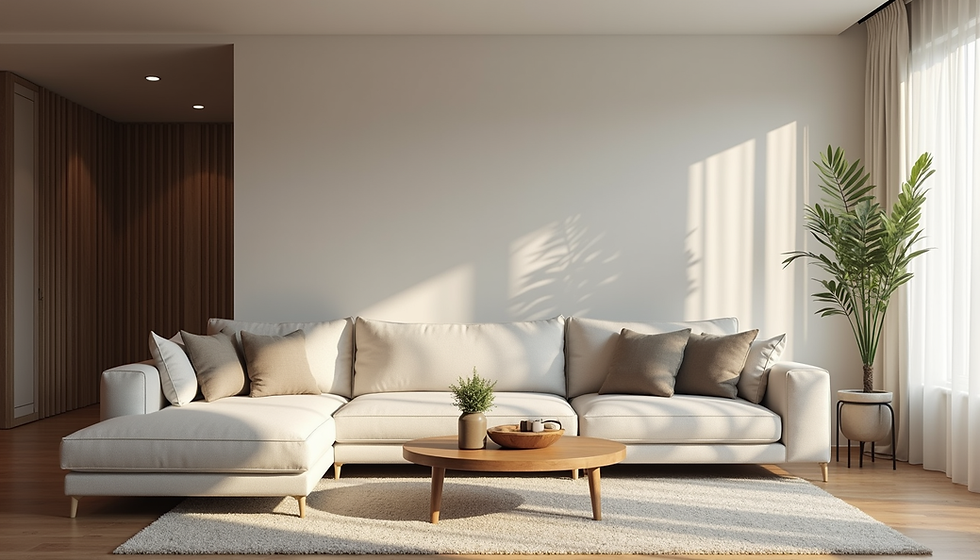
Incorporate soft textiles such as throw pillows, blankets, and area rugs to create a cozy atmosphere. Choose colors that complement your neutral palette.
Optimize Lighting
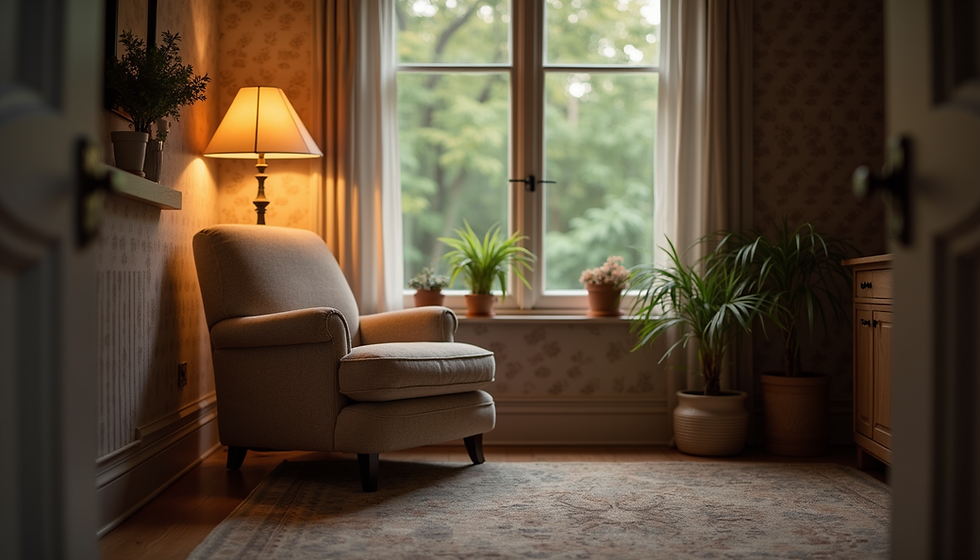
Good lighting can transform a space. Ensure that all light fixtures are working and consider adding lamps in darker areas. Natural light is also essential, so open curtains and blinds to let in as much light as possible.
Furniture Arrangement
The way furniture is arranged can significantly impact the flow and functionality of a space. Here are some tips for effective furniture arrangement:
Create Conversation Areas
Arrange furniture to encourage conversation. For example, place sofas and chairs facing each other to create an inviting space for socializing.
Define Spaces
In open-concept homes, use furniture to define different areas. A strategically placed rug can delineate the living area from the dining area.
Avoid Overcrowding
Too much furniture can make a space feel cramped. Remove any unnecessary pieces to create a more open and airy feel.
Highlight Key Features
Every home has unique features that can be highlighted through staging. Whether it’s a fireplace, built-in shelves, or large windows, make sure these elements stand out.
Use Strategic Decor
Incorporate decor that draws attention to key features. For example, place a stylish chair next to a fireplace or use decorative items on shelves to enhance their appeal.
Keep It Simple
While it’s important to highlight features, avoid overwhelming the space with too much decor. A few well-placed items can be more effective than cluttering the area.
Curb Appeal Matters
The exterior of your home is the first thing potential buyers will see. Enhancing curb appeal can make a significant difference in attracting interest.
Landscaping
Maintain your lawn and garden by mowing the grass, trimming hedges, and planting colorful flowers. A well-kept yard creates a positive first impression.
Front Door Appeal
Consider painting your front door a bold color to make it stand out. Add a new doormat and some potted plants to create an inviting entryway.
Consider Professional Help
If staging feels overwhelming, consider hiring a professional stager. They have the expertise and resources to transform your space effectively.
Benefits of Professional Staging
Expertise: Professional stagers understand what buyers are looking for and can tailor the staging to appeal to your target market.
Access to Resources: They often have access to furniture and decor that can enhance your home’s appeal.
Time-Saving: Hiring a professional can save you time and reduce stress during the selling process.
Final Touches
Once your home is staged, it’s time to add the final touches that can make a difference.
Fresh Scents
Consider using subtle air fresheners or candles to create a pleasant aroma in your home. Scents like vanilla or fresh linen can evoke a sense of comfort.
Cleanliness is Key
Ensure your home is spotless before showings. A clean home not only looks better but also gives buyers confidence that the property has been well-maintained.
Personal Touches
While depersonalizing is essential, adding a few tasteful touches can make the space feel more inviting. A bowl of fresh fruit in the kitchen or a vase of flowers can add warmth.
Conclusion
Staging your home is a crucial step in the selling process that can significantly impact your success. By decluttering, creating a welcoming atmosphere, optimizing furniture arrangement, and enhancing curb appeal, you can elevate your living spaces and attract potential buyers. Remember, the goal is to help buyers envision themselves in your home, making it easier for them to make an offer. Take the time to implement these tips, and you’ll be well on your way to a successful sale.
Comments